|
Getting your Trinity Audio player ready...
|
As Los Angeles prepares for the 2026 FIFA World Cup, the 2027 Super Bowl, and the 2028 Olympic Games, Downtown Los Angeles continues to grapple with challenges residents encounter every day. Streetlights darkened by copper theft, increasing demands on the power grid, aging infrastructure, and the need for more resilient and sustainable public spaces have prompted community leaders and innovators to search for new solutions.
And it’s quite possible that the LA Social District, led by CEO Nolan Marshall III, may have found one.
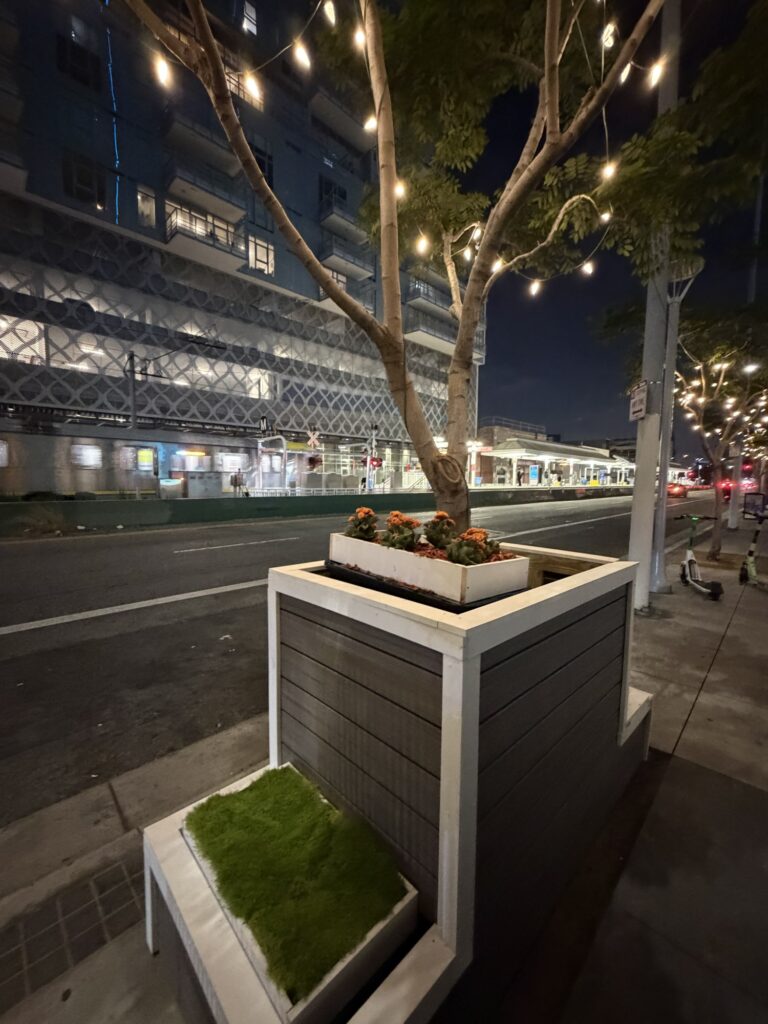
At first glance, the Gaia Box may look like little more than a sophisticated urban planter.
Serving as an anchor for trees, flowering plants, and integrated seating, the installation blends naturally into almost any streetscape. Yet beneath its landscaped exterior lies a working piece of infrastructure that combines localized energy generation with integrated plant-growing space.
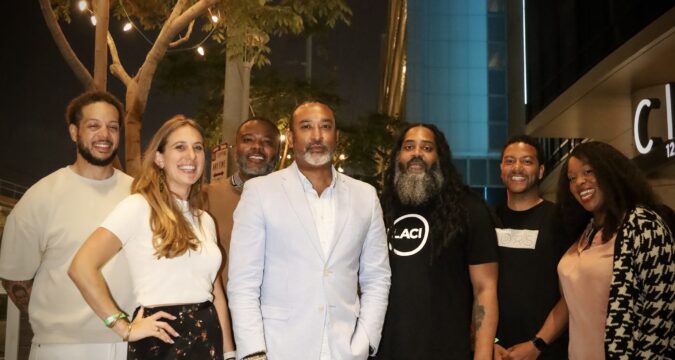
At the forefront of the project is Gaia Agricultural Technology, led by CEO and Co-Founder James Highsmith, whose team, DeMarco Millard (CTO), Co-founder
Greg McGriff and Thad Payton, business development have patented the Gaia Box, an innovative infrastructure system designed to generate and store energy while supporting plant life above ground.
Designed to look and function like an amenity rather than a piece of utility equipment, the Gaia Box can be integrated into parks, rooftops, public spaces, multifamily developments, and commercial properties without sacrificing aesthetics.
As crops grow inside the system, water continuously circulates through a closed-loop environment that helps support reliable energy delivery from stored power. The result is infrastructure that serves a purpose while blending into the spaces people already use and enjoy.
For developers and property owners, the Gaia Box offers a way to add resilience, greenery, and functionality without giving up valuable space or the experience of the property itself.
Recently installed near Pico Station in one of Downtown Los Angeles’ busiest transit and pedestrian corridors, the first-of-its-kind pilot Gaia Box is designed to test the technology in a real-world environment, work out the kinks, and demonstrate how energy infrastructure can operate within public spaces while supporting reliability, community activity, beautification, and future urban development.
The Downtown Los Angeles pilot is also meant to evaluate local power support, backup power and resilience, real-world operation in a high-traffic environment, public interaction with the systems, and its potential for long-term deployment throughout Los Angeles.
“For decades, much of our infrastructure has been invisible to the public,” said Highsmith. “This pilot is about exploring what happens when infrastructure becomes part of everyday public life instead of something hidden behind walls or far away from the communities it serves.”
For the LA Social District, the project represents an opportunity to rethink how public spaces function as Los Angeles prepares to welcome the world.
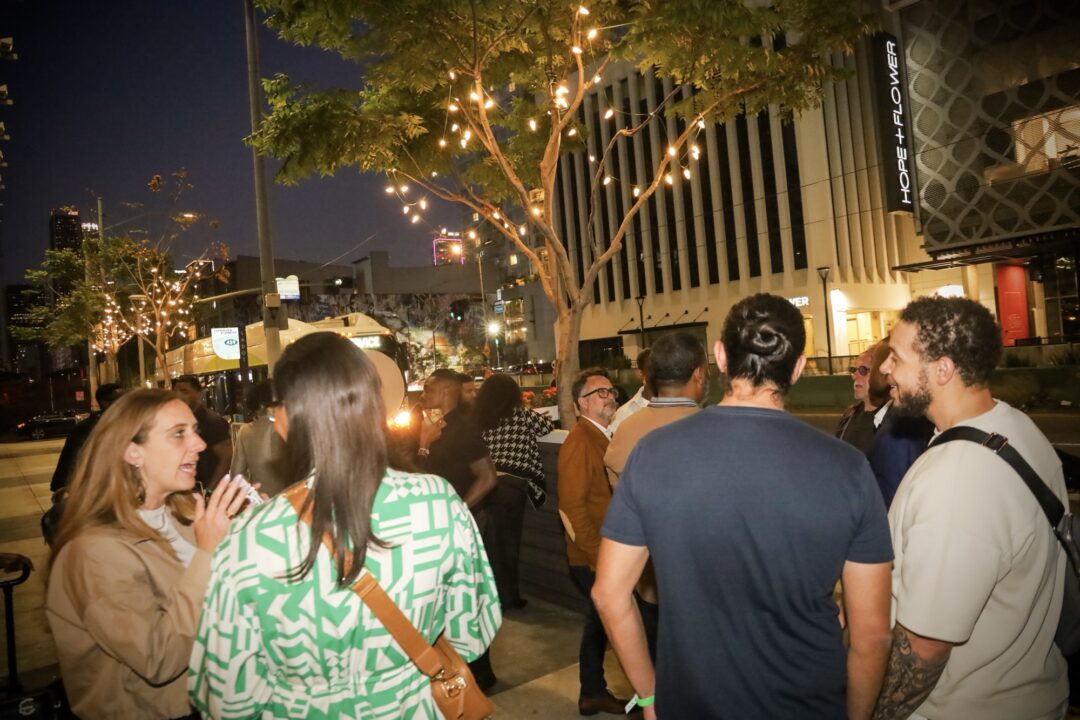
“As we prepare to host the FIFA World Cup, Super Bowl, Olympic and Paralympic Games, GRAMMY Awards, Academy Awards, and introduce the world to a transformed Los Angeles Convention Center, we have an unprecedented opportunity to reimagine how great cities function and how public spaces serve their communities,” said Marshall.
Support for the project has also come from the Los Angeles Cleantech Incubator (LACI). Gaia participated in LACI’s Incubation Program, where the company refined its business strategy and prepared to bring the technology to market. After Gaia developed the Gaia Box, the LACI team helped support the company’s growth through mentorship, education, visibility, and commercialization resources.
“The launch of the Gaia Box in downtown Los Angeles is the result of the hard work, determination, and persistence the founding team has demonstrated while bringing their product to market,” said Adrienne Lindgren, EVP of Unlocking Innovation and Campus Management at LACI.
Lindgren said, “By participating in LACI’s Incubation Program over the last year, the Gaia team has gained mentorship, education, best practices, visibility, and strategies to grow their company. LACI is proud of this accomplishment and we look forward to supporting their next phase of growth.”
“By participating in LACI’s Incubation Program over the last year, the Gaia team has gained mentorship, education, best practices, visibility, and strategies to grow their company. LACI is proud of this accomplishment and we look forward to supporting their next phase of growth.”
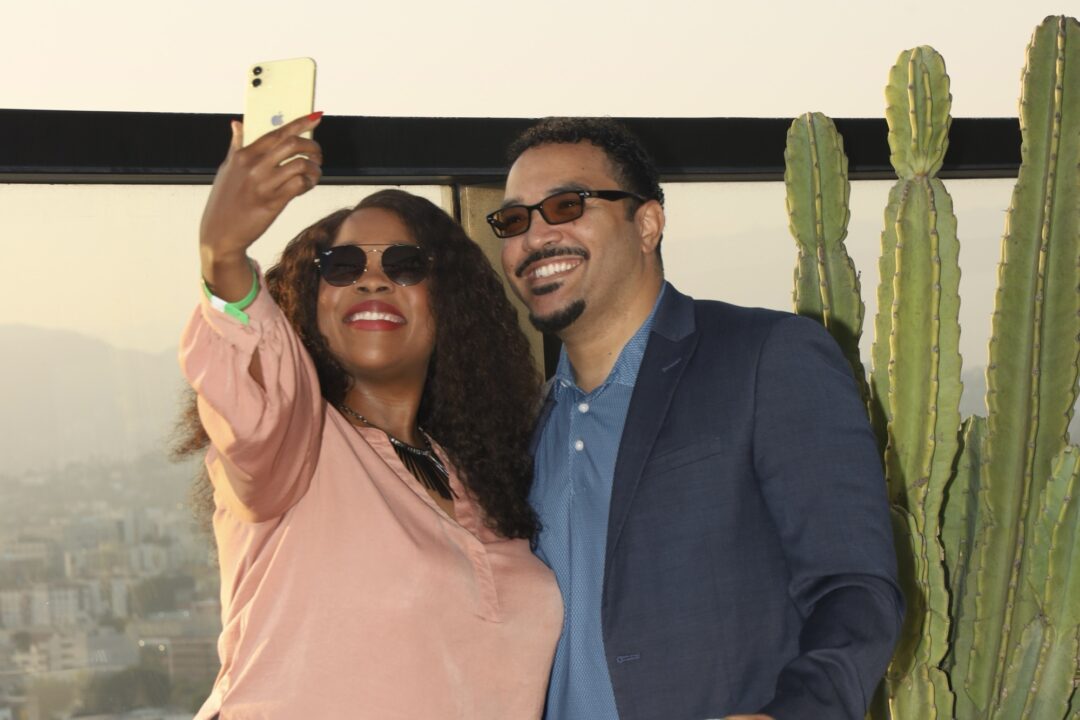
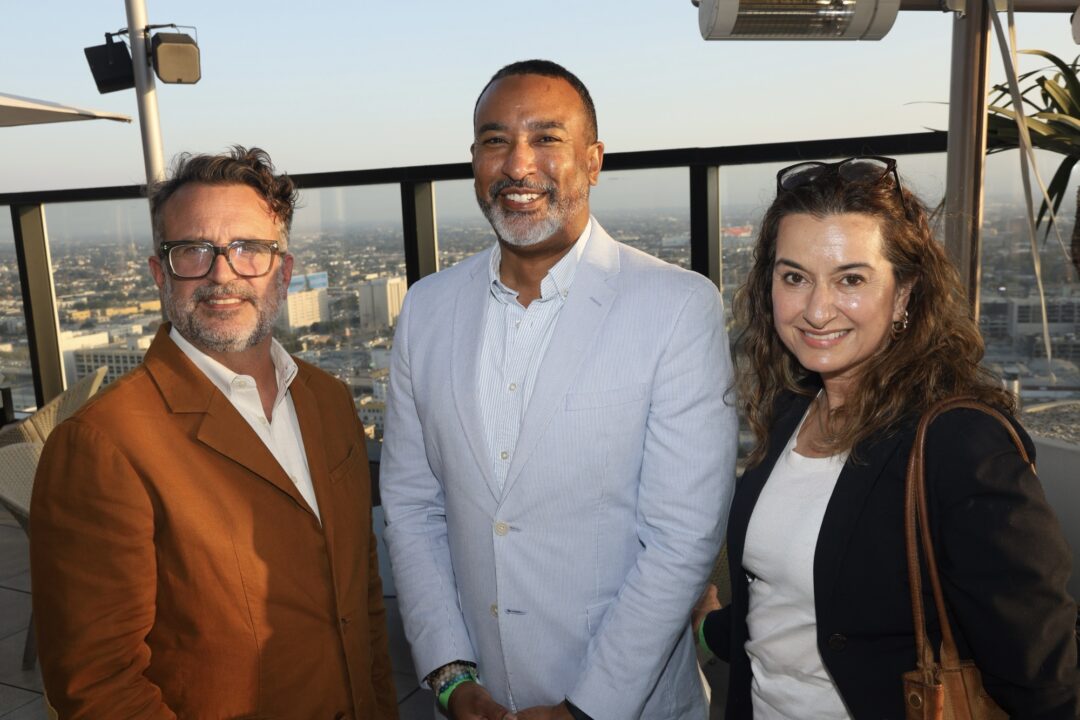
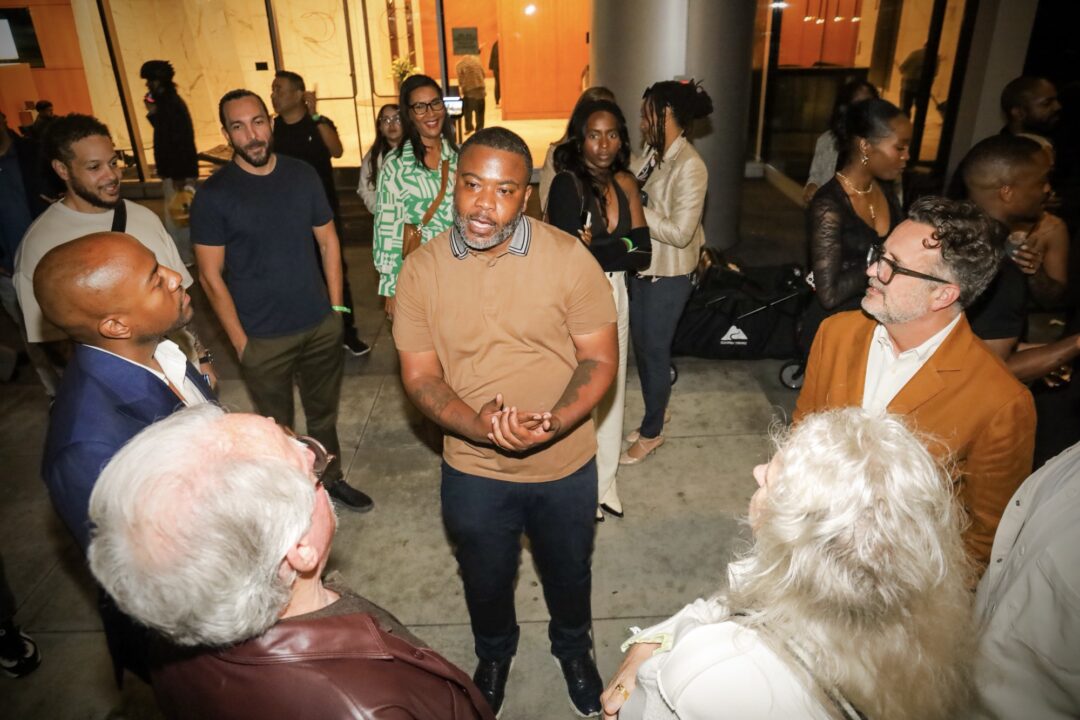
A public ribbon-cutting ceremony held on June 4 at La Lo La Rooftop atop the Moxy and AC Hotel brought together community leaders, stakeholders, developers, innovation partners, public stakeholders, and LA Social District board members to celebrate what organizers described as a first-of-its-kind installation focused on infrastructure, urban resilience, energy integration, and the future of public space in Los Angeles.
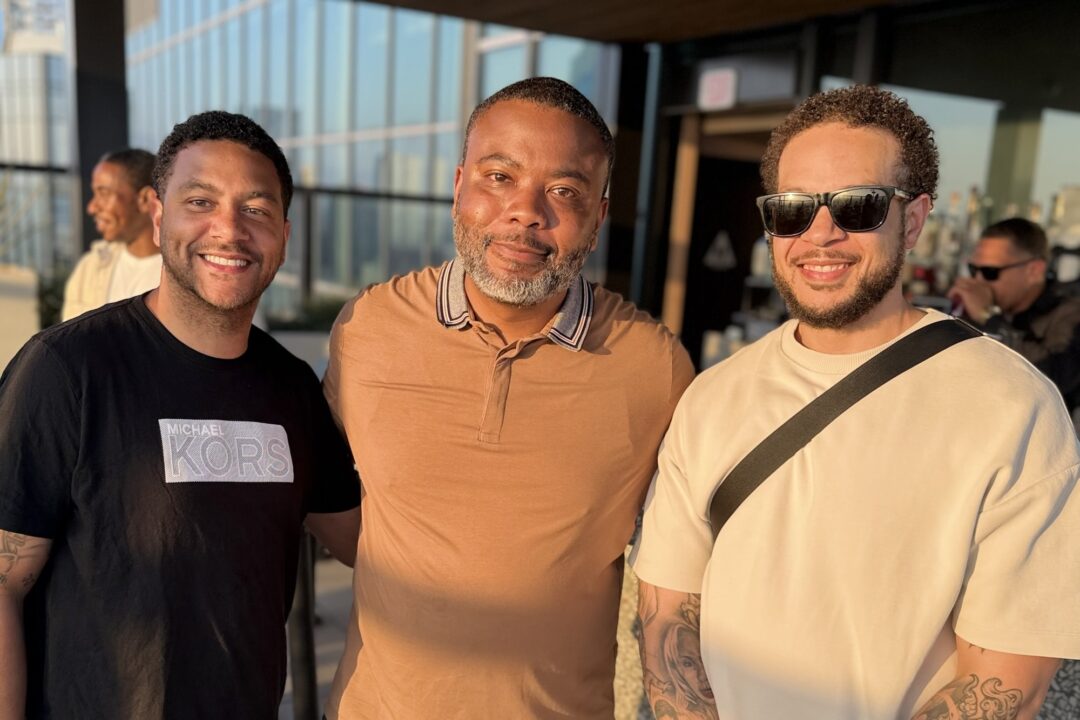
The project also encourages a broader discussion about placemaking, urban landscaping, and the role infrastructure can play in creating more active and engaging public spaces.
“What excites me most about this pilot is not simply the technology itself, but the possibility it represents,” Marshall said. “Projects like this challenge us to think differently about placemaking, urban landscaping, and green infrastructure; transforming them from amenities into active contributors to resilience, sustainability, and the elevated experience. While this is an early demonstration, the ideas being explored have the potential to influence what cities around the world expect from designed public spaces built for future generations.”

Gaia is also partnered with the Alabama Mobility and Power Center (AMP) at The University of Alabama, an initiative involving The University of Alabama and Mercedes-Benz U.S. International focused on mobility, energy systems, and community resilience. The partnership supports Gaia’s work involving battery-backed infrastructure and localized energy resilience.
While still in its pilot phase, the Gaia Box offers a glimpse into how future infrastructure may blend energy production, environmental design, and community engagement into the spaces people use every day.
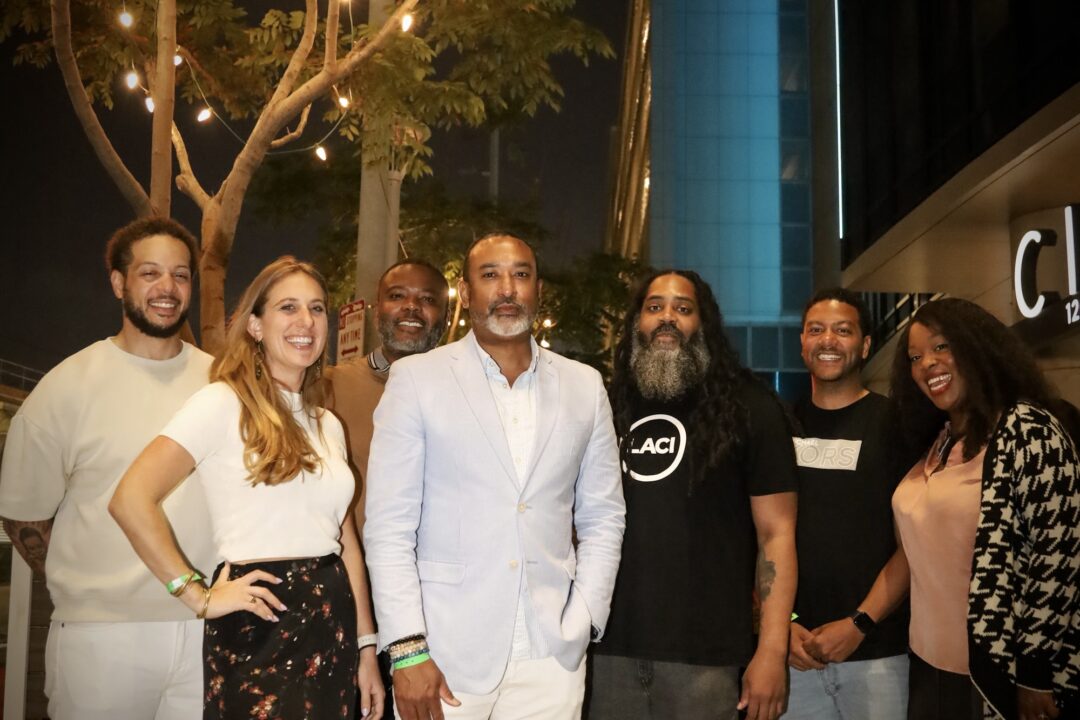
“Downtown Los Angeles has long been a proving ground for innovation, and we are proud to support efforts that spark imagination, inspire collaboration, and help shape a more vibrant, sustainable, and resilient future for our city and beyond,” Marshall said.
As the sun fades and the moon rises over the LA Social District, lights from the Gaia Boxes illuminate the trees above, not only cutting through the darkness but illuminating a glimpse of the future as well.
City leaders, developers, property owners, and private organizations interested in bringing localized energy, sustainability, and enhanced public spaces into their communities are encouraged to contact Gaia Agricultural Technology to learn more about future installations and partnership opportunities. www.thegaiabox.com