The historic $1,032,880,148 revenue milestone recently achieved by Measure ULA—the funding source commonly known as the “Mansion Tax”—has become the focal point of a high-stakes political tug-of-war that could fundamentally redefine how Los Angeles fights homelessness. Just weeks after DTLA Weekly reported on the January 13 celebration on the City Hall South Lawn, where the United to House LA (UHLA) coalition and Councilmember Eunisses Hernandez hailed the billion-dollar landmark as a “new era of hope,” the political winds have shifted.
While advocates are still cheering the success of projects like Alveare Family and The Main, city leaders are now warning that the tax itself is stalling the broader economy, leading to a controversial push to exempt developers from the very rules that raised the money.
This collision represents a fundamental disagreement over the future of the city: proponents of a new motion by Councilmember Nithya Raman and Mayor Karen Bass argue that the tax must be “tamed” with a 15-year developer waiver to keep housing construction alive, while the UHLA coalition prepares to return to City Hall on Tuesday, January 27, to protest what they call a “billionaire giveaway” that betrays the voters who passed the measure in 2022.
Are the developers wrong, though?
This move is being cited as one of the weirdest shifts in City Hall history because Councilmember Raman and Council President Marqueece Harris-Dawson have historically been the city’s inseparable “progressive duo.” when it comes to the city’s affordable housing framework. For them to now be the ones authoring a motion that potentially guts their own signature achievement has left the activist community in shock. It is a rare moment where the city’s most prominent housing champions are suddenly aligned with the real estate lobby against the very grassroots coalition that helped put them in power.
However, Raman has defended her stance, in the official press release quote, stating, “If Measure ULA is going to remain a durable source of funding for affordable housing and homelessness prevention, we need housing projects that actually get built and house families. A policy that unintentionally stalls housing production ultimately undermines the very goals voters asked us to achieve. This motion keeps Measure ULA true to its original intent while making targeted, responsible adjustments so it can continue to protect tenants, support wildfire recovery, spur housing production, and safeguard a critical funding source for the future.”
Councilmember Raman delivered these remarks while introducing the motion at the City Council meeting on Friday, January 23, 2026, addressing both a restless crowd and her fellow colleagues to justify why a longtime champion of the tax was now spearheading developer exemptions. Her statement serves as a stunning admission that Measure ULA is indeed having “unintended impacts” on the market, directly validating the pressure campaign from the real estate industry by noting that “lenders are pulling back from the market entirely.” Ultimately, she framed this pivot as a desperate survival tactic, arguing that weakening the tax now is the only way to protect it from being “taken away from us completely” by aggressive statewide anti-tax measures looming in the next election.
The Battle Rages
Since the tax was passed by voters in 2022, the real estate community has argued that it isn’t just a tax on luxury mansions, but a “death star” for new apartment buildings.
Because the tax triggers on the total sale price of a property—not just the profit—developers claim that selling a newly finished apartment building now carries a massive financial penalty that wipes out their ability to pay back construction loans. They argue this has created a “chilled market” where lenders have pulled out of Los Angeles entirely, moving their capital to cities like Glendale or Long Beach where no such tax exists. From their point of view, the 15-year “tax holiday” proposed by Councilmember Raman is a necessary peace treaty to restart the engine of housing production and prevent a total economic collapse in the residential sector.
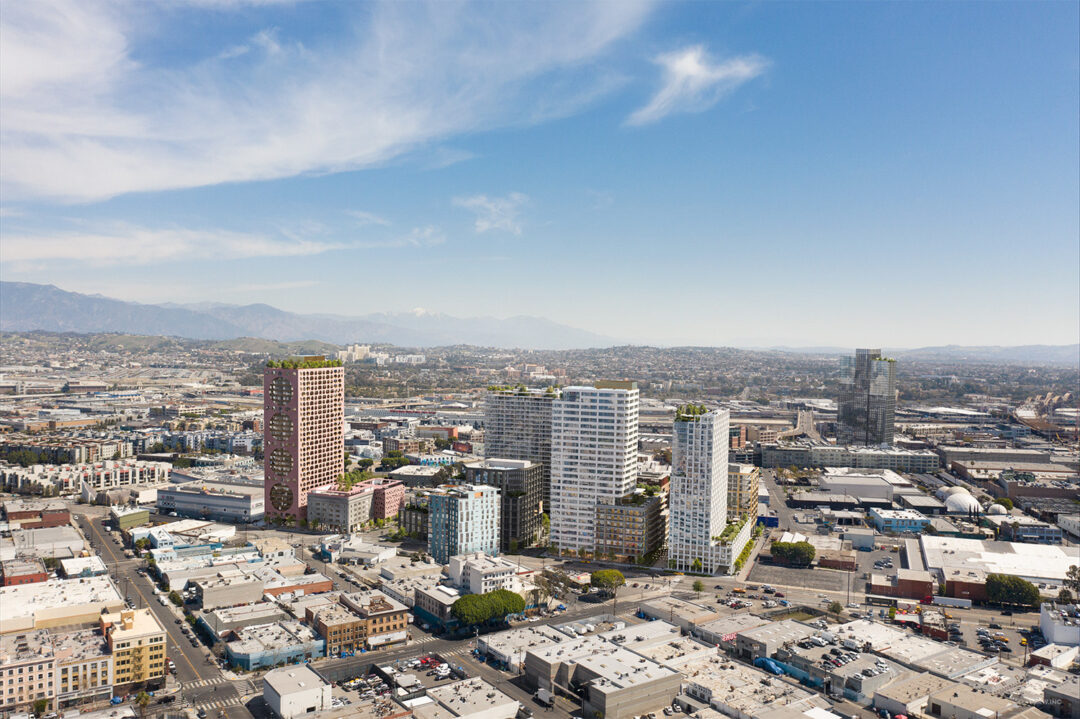
Photo Fourth & Central project – one of many developments required to provide affordable housing
However, the “tit-for-tat” between City Hall and advocates is reaching a boiling point over the timing of this proposal. The UHLA coalition points to the $1.03 billion already raised—the very figure celebrated in our recent coverage—as definitive proof that the tax is working exactly as intended. They argue that the industry’s “sky-is-falling” narrative is a manufactured tactic designed to wait out the city until they receive a loophole.
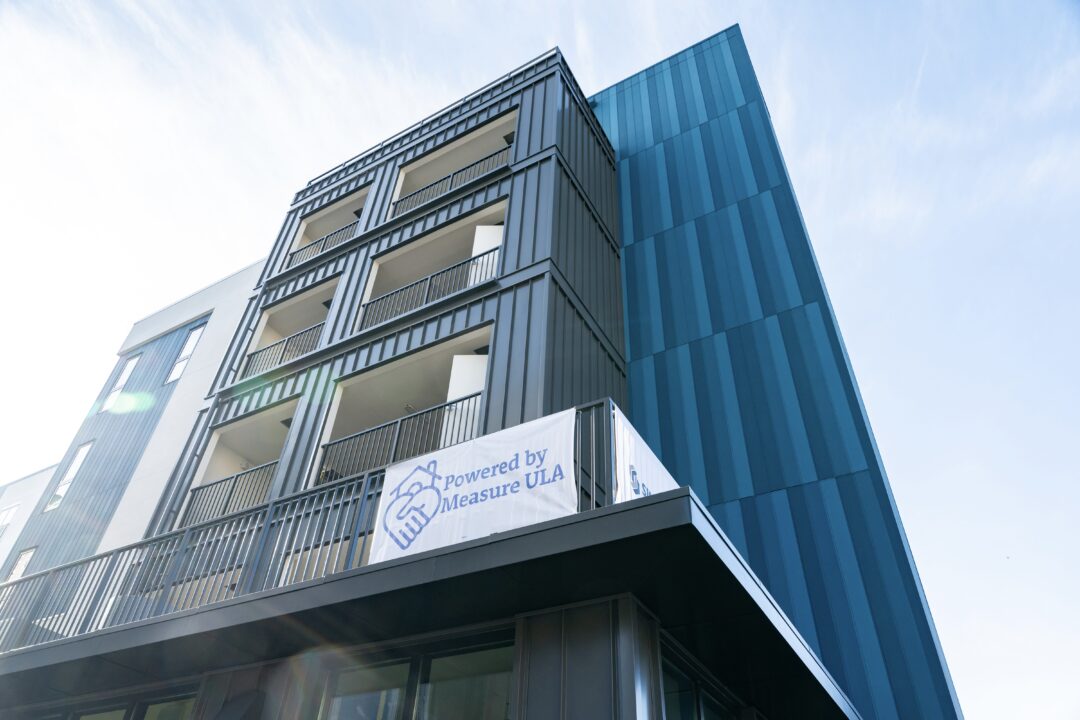
Advocates like Joe Donlin emphasize that the programs funded by this tax have already kept over 10,000 renters in their homes and are currently funding critical DTLA projects that are finally starting to reshape the skyline. To the coalition, giving developers a 15-year exemption is not a minor “tweak”—it is an act of surrendering “The People’s Billion” to the same special interests that fought the measure at the ballot box.
The conflict also involves a strategic fear within City Hall: the threat of a complete wipeout. Mayor Bass and Councilmember Raman are reportedly pushing for these changes now to “defang” a statewide anti-tax measure backed by the Howard Jarvis Taxpayers Association, which seeks to kill Measure ULA entirely in November 2026. City leaders believe that by making the tax more “reasonable” for developers today, they can save the core of the program for tomorrow.
The advocates, meanwhile, see this as “negotiating with the enemy,” arguing that the city should hold the line on the 2022 voter mandate rather than offering concessions to an industry that has never supported the tax’s goals.
For Downtown Los Angeles, the epicenter of this struggle, the stakes are immediate. The outcome of Tuesday’s vote will determine if the DTLA skyline continues to be built through the “Social Housing” model that advocates are fighting to protect, or if the city will pivot back to developer-led incentives to jumpstart a stalled market. Public comment is scheduled to begin inside the Council Chambers at 10:00 AM, immediately following the 8:30 AM coalition protest on the South Lawn.