On January 1, 2026, Los Angeles County officially pulled the lever on its most significant administrative overhaul in decades: the launch of the Department of Homeless Services and Housing (HSH). For the residents and business owners of Downtown Los Angeles, particularly those bordering the Historic Core and Skid Row, the move represents a desperate hope for “horizontal coordination” in a system long criticized for its silos and lack of accountability.
Led by inaugural Director Sarah Mahin—who previously managed an $875 million budget at the County’s “Housing for Health” division—the new department arrives with a mandate to centralize the work of 14 separate county agencies and oversee approximately $1 billion in annual funding.
The driving force behind this consolidation is a transition away from the Los Angeles Homeless Services Authority (LAHSA), which has faced years of scrutiny regarding contract delays and transparency. Under the new structure, HSH will report directly to the Board of Supervisors, a move intended to streamline the region’s response.
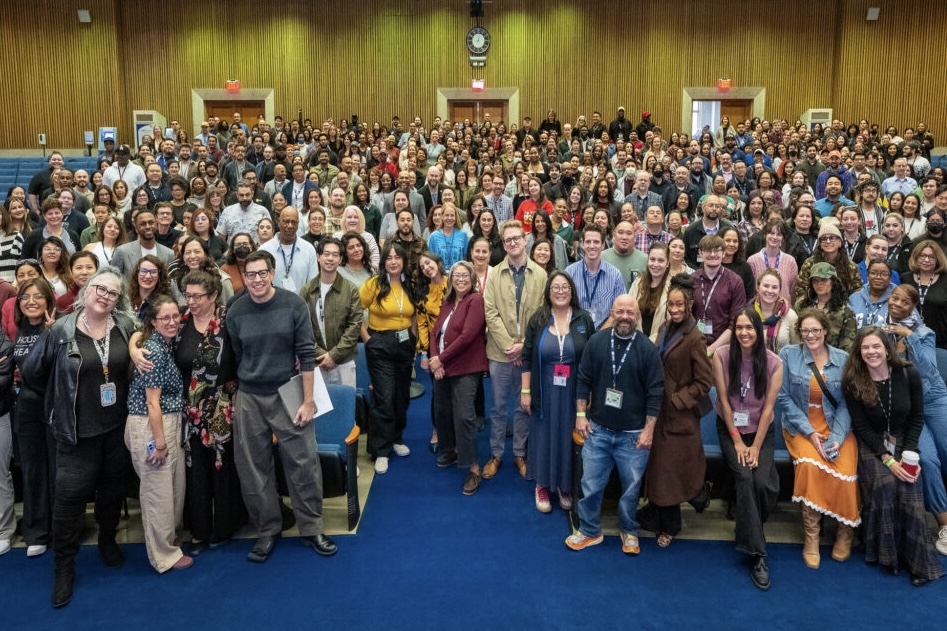
Photos courtesy of Department of Homeless Services and Housing (HSH)
However, Mahin has already warned of a looming structural deficit fueled by expiring federal grants and a drop in consumer spending that has reduced anticipated revenue from Measure A, the half-cent sales tax approved by voters in 2024. For DTLA, where the homelessness crisis is most visible, the success of this billion-dollar pivot rests on whether the department can maintain its “Housing First” principles in the face of these financial headwinds.
While the New Year’s Day launch was celebrated by officials, the reality on the ground in DTLA remains in a precarious “Phase I” transition. Currently, the HSH has integrated the CEO’s Homeless Initiative and health department housing programs, but the full transfer of staff and street-level operations from LAHSA won’t be completed until July 1, 2026.
This creates a six-month “gray zone” for the 50 blocks of Skid Row. During this period, the accountability for street-level results falls squarely on the shoulders of the supervisors. If a person in crisis on 5th and San Pedro isn’t seen faster than they were last year, the administrative restructuring will be a heavy weight for those seeking to lead this district next.
This transition is happening at a critical political moment, as Hilda Solis is term-limited and her seat representing District 1 is up for election later this year. Whoever is appointed or elected to take her place will inherit the daunting task of ensuring this new department actually functions for Downtown.
This includes overseeing outreach response times in the county and ensuring a high utilization rate of available shelter beds. As the department navigates federal policy shifts and local budget constraints, the next supervisor for DTLA will have to endure the task of proving that this “New Era” is more than just a rebranding of the same systemic failures. https://homeless.lacounty.gov/