For millions of renters across the United States, finding a place to live can feel like an exhausting guessing game. Hours spent browsing listings, scheduling tours, and paying application fees often end in rejection. According to Sean Gregory, co-founder of ZRently, the issue isn’t just the tight housing market—it’s a lack of transparency in the rental process.
Gregory, 37, is not a traditional tech founder. While entrepreneurship and technology have long been personal interests, his path into building a rental platform came through curiosity and persistence rather than formal training. Aside from attending flight school, Gregory is largely self-taught in computers and software development. Years of experimenting with technology and learning through trial and error eventually led him to build the first version of ZRently himself.
“I still consider myself a student of software,” Gregory says. “But building that first version proved that if you stick with something long enough, you can turn an idea into something real.”
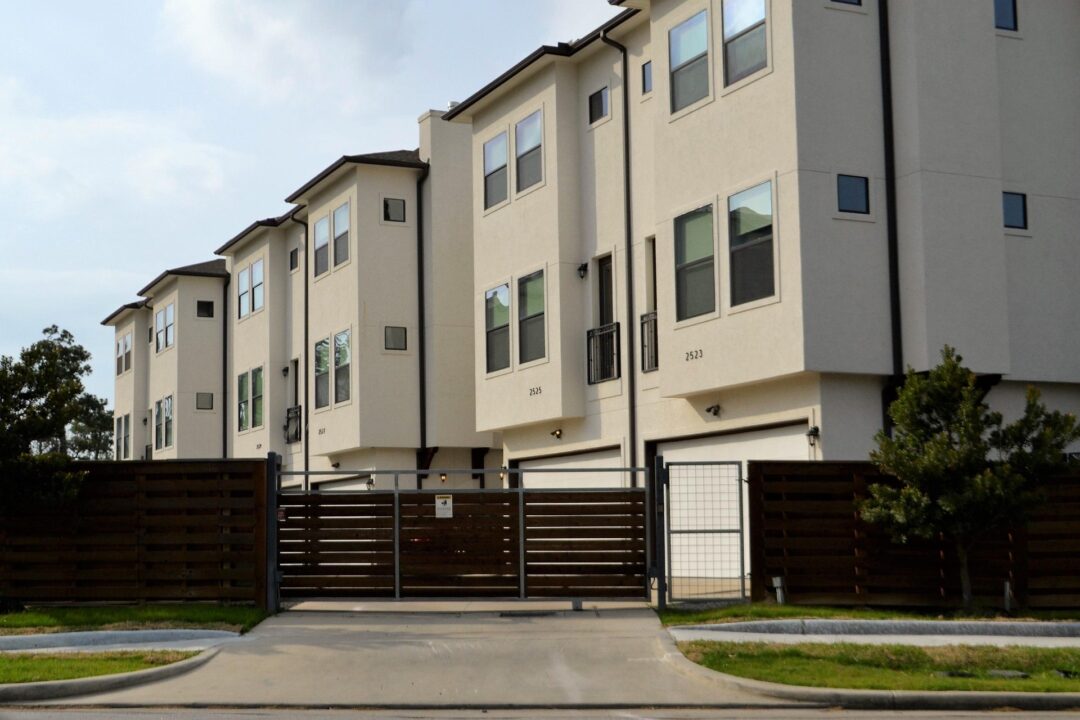
Photo courtesy ZRently
The idea for ZRently came from watching family members struggle through the rental search process. They spent hours browsing listings on major rental websites, scheduling tours, and filling out applications—only to learn later that they didn’t meet the basic requirements to qualify.
“That happened over and over,” Gregory explains. “They’d wait a week to see a place and then find out they didn’t qualify.”
That frustration exposed a common problem in the rental marketplace. Most listings don’t clearly display requirements such as minimum credit scores, income thresholds, or whether co-signers are accepted. Even when those details are included, they’re often buried in descriptions and can’t be filtered during searches.
Gregory tested the issue himself by contacting 30 rental properties listed on major platforms and asking three straightforward questions about their requirements. None gave him a direct answer.
“Most wanted to schedule a tour, get on a call, or just told me to apply and see what happens,” he says.
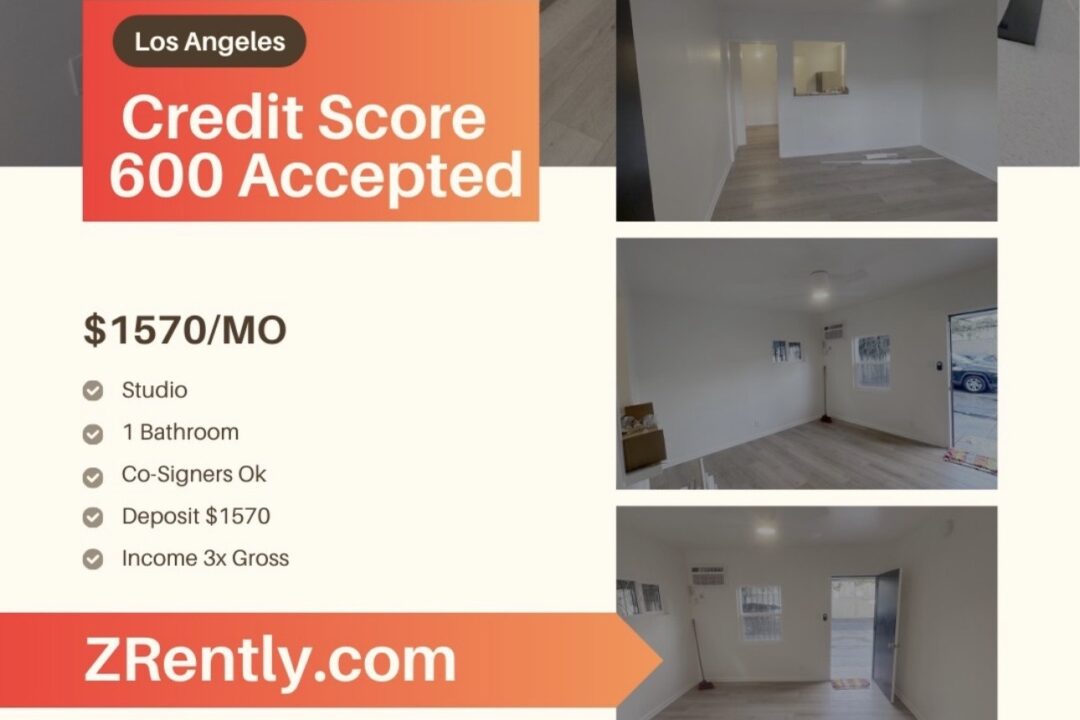
ZRently aims to change that process by putting qualification first. The platform allows renters to enter information like their credit score and instantly see properties where they meet the requirements. Listings clearly display credit thresholds, income standards, and co-signer policies so renters know where they stand before investing time and money.
“For years, renters have been searching blindly, applying to places without even knowing if they qualify and spending hundreds of dollars on application fees. We built ZRently to change that. Renters should know they qualify before they apply, and property managers should receive better-qualified leads. It’s a simple idea, but it changes everything,” says Sam Gregory, co-founder.
Application fees typically range from $35 to $50 per property, and renters often apply to multiple listings before securing housing. Gregory believes those expenses—and the frustration that comes with repeated denials—can be avoided if requirements are transparent from the start.
“Bedrooms, bathrooms, and amenities don’t matter if you’re going to get denied,” he says. “Step one should always be: do I qualify?”
A Two-Person Startup Taking on the Rental Market
ZRently is currently run by Gregory and one partner who prefers to remain anonymous publicly. Gregory focuses on vision and product development, while his partner—Sam—handles much of the software engineering behind the platform. The two founders built the company without venture capital funding, operating as a fully bootstrapped startup.
The platform launched in June 2025 after Gregory built the first version just a month earlier. That early release is what developers call a minimum viable product, or MVP—a basic version designed to test whether people actually want the solution before investing heavily in development.
Despite its simplicity, the platform already allows renters to filter listings by city, credit score requirements, income thresholds, and co-signer policies—features Gregory says aren’t available on other rental marketplaces.
ZRently currently operates in Los Angeles County, where more than 500 landlords and property managers have joined the platform and thousands of renters are actively searching for homes. The concept has also generated strong online attention, with renters encouraging the team to expand to other markets.
Building Toward a National Platform

Still, building a new rental marketplace presents challenges. One of the biggest hurdles is gathering the data needed to make rental requirements searchable. That information isn’t stored in a single centralized database, meaning the team must compile it property by property.
“There isn’t one place where landlords list those requirements,” Gregory says. “We have to build that information ourselves.”
The company is now preparing for the next stage of growth. ZRently 2.0, currently in development, will be a complete rebuild with integrations into property management systems and listing services. The update is expected to expand available listings from roughly 400 to around 6,000 while extending coverage into nearby markets including Orange County, Ventura County, the Inland Empire, and San Diego. Phoenix is also being considered as a future market.
The new version will introduce a map-based search experience and custom alerts that notify renters when properties matching their qualifications become available.
For Gregory and his partner, the goal is simple: bring clarity to a process that has long frustrated renters. With an estimated 50 million renter households in the United States, they believe transparency could make a meaningful difference.
“We’re not a giant corporation,” Gregory says. “It’s just two of us trying to fix a system that doesn’t work for renters.” www.zrently.com