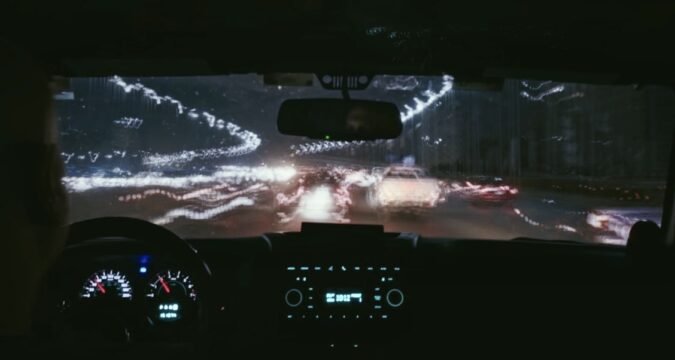
Driving through downtown Los Angeles after midnight feels completely different from any daytime commute you know. The streets grow quieter, yet somehow more intense and unpredictable at the same time.
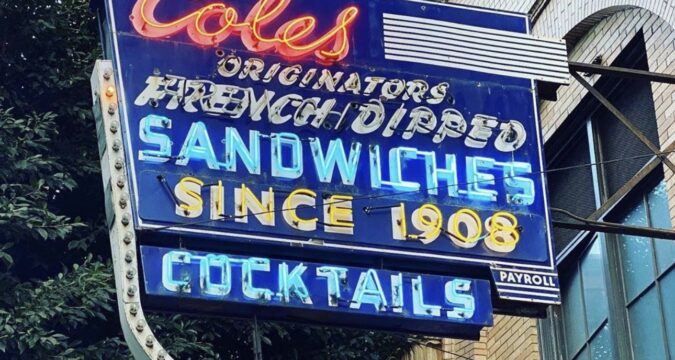
Neon lights reflect on empty sidewalks, and traffic patterns seem to shift without warning. You might feel relaxed at first, but that comfort can disappear quickly.
In 2025, Los Angeles homicides dropped by 19 percent to their lowest levels since 1966, reflecting a broader decline in citywide violent crime. Despite these improvements, driving in Downtown LA after midnight requires extra caution due to risks beyond just violent crime.
Late-night drivers must navigate additional hazards, including a high frequency of traffic accidents, impaired motorists, and reduced visibility. Whether you are coming from work, meeting friends, or heading home, awareness matters. Understanding what happens after midnight helps you stay calm and confident. When you know what to expect, every drive feels more manageable.
If you’re driving in downtown LA after midnight, here are a few things you should be aware of.
#1 Navigating Empty Streets and Sudden Traffic
After midnight, many downtown streets appear strangely empty and peaceful at first glance. This quiet atmosphere can trick drivers into lowering their guard too quickly. Without heavy traffic, you may feel tempted to drive faster or check your phone.
However, empty roads often hide sudden surprises that appear without warning. This is especially true in an area where 69 percent of residents choose to live for the urban lifestyle. Then you also have almost 70 percent of people living in downtown LA who value the central location.
Because of this dense environment, downtown residents walk, bike, scoot, or take transit more than those in all of greater Los Angeles. This means that even in the middle of the night, you are likely to share the road with pedestrians and alternative transit users.
Delivery trucks, cleaning crews, and rideshare vehicles can also stop unexpectedly. Some drivers treat these streets like personal race tracks. Staying alert helps you react faster when traffic patterns suddenly change. Keeping your focus sharp makes these quiet roads much safer.
#2 Dealing with Speeding Drivers After Dark
Late at night, some drivers feel invisible and begin driving far faster than normal. With fewer cars around, speeding feels less risky to them. Unfortunately, this mindset creates dangerous situations for everyone nearby.
These drivers weave through lanes, ignore signals, and follow too closely. One careless move can easily lead to a serious car accident.
A recent crash in Atlanta showed how a single car can cause serious injuries. The accident in question was caused by a speeding car. The driver’s speeding and overall negligence triggered a chain-reaction crash after a last-minute lane change caused it to rear-end another vehicle. As the Atlanta Personal Injury Law Firm notes, in such moments, contacting an auto accident lawyer or personal injury lawyer becomes essential.
Experienced attorneys and car accident lawyers understand how these cases work. They can help victims secure compensation for their injuries and subsequent medical bills when someone else is at fault. Whether you need a local LA lawyer or an auto accident lawyer in Atlanta for an incident there, acting quickly protects your future. Staying calm and giving speeding drivers space can save lives.
#3 Watching Out for Pedestrians and Nightlife Crowds
As of 2023, around 80,000 people live in downtown LA. This part of LA has witnessed an eight percent growth in population since 2020. What’s more, downtown LA stays active long after most other cities slow down. Bars, clubs, and late-night restaurants continue attracting crowds well past midnight. People move between venues, often distracted by phones, friends, or loud music.
Some pedestrians cross streets without warning, assuming drivers will notice them. Others may be tired or impaired, making their decisions less predictable. Crosswalk signals are sometimes ignored during busy nightlife hours.
Slowing down near crowded blocks gives you valuable reaction time. Always expect someone to appear suddenly from between parked cars. Extra patience here prevents unnecessary stress and accidents.
#4 Understanding Road Construction and Detours
Many construction crews work overnight to avoid disrupting daytime traffic. This means lane closures, detours, and temporary signs appear regularly after midnight. If you rely only on memory, confusion can set in quickly.
Bright flashing lights, cones, and uneven pavement may appear without much warning. Some detours force you into unfamiliar streets with limited signage. Following the posted directions carefully prevents sudden stops and dangerous turns.
Checking navigation apps before leaving helps reduce frustration. Preparation turns construction zones into minor inconveniences instead of major problems. A calm mindset makes these changes easier to manage.
#5 Managing Fatigue and Staying Focused
After midnight, your body naturally wants to slow down and rest. Fatigue affects reaction time, judgment, and focus more than most people realize. Even experienced drivers can make careless mistakes when tired.
Yawning, heavy eyelids, and drifting within lanes are warning signs. Missing traffic lights or exits often means your concentration is slipping. If you notice these signals, take them seriously.
Drinking water, stretching briefly, or pulling over can refresh you. Staying mentally alert protects you and everyone else on the road. Never underestimate how powerful tiredness can be.
FAQs
What is the riskiest time to drive?
The riskiest time to drive is usually late at night and during early morning hours, especially between midnight and 4 a.m. During this period, fatigue, reduced visibility, and impaired driving are more common. Accident rates also increase on weekends and during bad weather conditions.
Why is late-night driving so risky in busy urban areas?
Late-night driving in busy urban areas is risky because of poor visibility, tired drivers, and higher chances of impaired driving. Traffic signals may be ignored, pedestrians can be harder to see, and emergency response times may be slower, increasing the severity of accidents.
What is the best rule for safe night driving?
The best rule for safe night driving is to slow down and stay alert. Use headlights properly, keep a safe distance, and avoid distractions. Make sure you are well-rested, watch for pedestrians and cyclists, and pull over if you feel tired or unfocused.
Driving in downtown LA after midnight does not have to feel scary or overwhelming. With the right mindset, most situations become easier to handle. Awareness, patience, and preparation make a noticeable difference every single night.
Treat every late-night drive with respect and attention. When you do, you turn a risky experience into a smooth journey home.