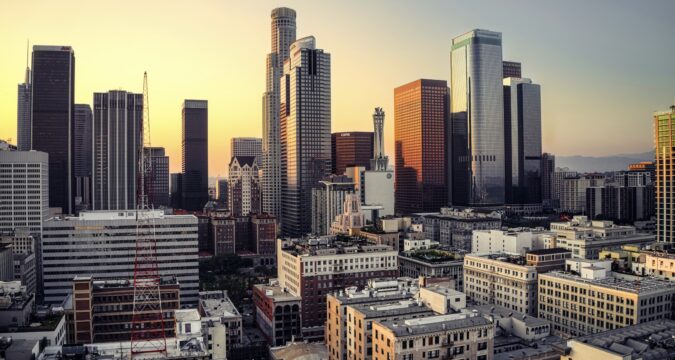
Downtown Los Angeles (DTLA) thrives on energy, culture, and constant movement. Festivals fill the streets with music, food, and crowds throughout the year. You can feel the excitement in every block.
The neighborhood hosts a wide range of festivals throughout the year. For instance, it celebrated the KCON Festival in August 2025. It is the annual three-day event celebrating Korean music and culture. The festival includes many activities planned throughout the day. From vendor shops to meet & greet, there’s a lot that fans can do.
Yet these same celebrations can disrupt your daily commute in ways you may not expect. Street closures tied to major events reshape traffic patterns across DTLA and we can understand why some people are really pissed.
You might leave home at your usual time and still arrive late. What feels like a short detour can stretch into a frustrating delay. The impact reaches far beyond the festival footprint.
The Immediate Impact on Your Commute
Festivals can result in street closures for a few hours or days. One such celebration happened recently in November 2025, after the Los Angeles Dodgers won the World Series Championship.
Mayor Karen Bass shared details on coordinated city operations and guidance for the Dodgers Championship Parade scheduled for November 3. He encouraged fans to plan ahead, use public transit, and celebrate safely.
The downtown parade was to begin at 11 a.m. along Temple Street toward Figueroa. This was followed by a ticketed event at Dodger Stadium. The city had deployed traffic management plans, extra officers, and transit support to address street closures and crowd control. However, employers and commuters were asked to prepare for potential impacts and consider adjusting schedules or working remotely.
When streets close, traffic spills into surrounding corridors, and you face longer lines at intersections that once moved smoothly. Signals struggle to handle the sudden surge in vehicle traffic.
Navigation apps may reroute you through unfamiliar streets. Thus, congestion builds quickly, and tempers can flare when drivers get frustrated.
Safety First
Increased congestion raises safety concerns for drivers and pedestrians alike. You may also be sharing the road with visitors traveling to the festival who are unfamiliar with the area. To add to the mix are delivery drivers and rideshare vehicles.
Accidents tend to spike when traffic patterns suddenly change. In such a scenario, it is important to seek help from a local lawyer. This is because they would have the best knowledge of the local regulations.
Consider the example of a Fayetteville accident, where a pedestrian was fatally struck on 2025 New Year’s Eve. A Honda Civic hit the 35-year-old pedestrian on N. Gregg Avenue & N. Quality Lane. In such a scenario, it was best to connect with a Fayetteville car accident lawyer.
According to the Keith Law Group, attorneys can collect evidence and calculate damages. They can even negotiate with insurers or represent you in court if need be.
The same goes for any other location, including DTLA. If the accident occurs in Downtown LA, local lawyers will be familiar with negligence laws, road rules, fault determination, etc.
The Ripple Effect
Street closures do not end when the music stops. Cleanup crews and equipment trucks can occupy lanes for hours after the festival ends. You may wake up the next morning to lingering restrictions.
Residents in high-rise buildings feel the change most, as access to parking garages can become complicated. Guests struggle to reach your building during peak festival hours.
Noise also plays a role in your daily routine. Late-night events disrupt sleep, and early work shifts become harder to manage.
This can make the commute even worse for the local residents, who are already facing traffic congestion. Data shows that Los Angeles faces the worst congestion. An average commuter lost around 137 hours in traffic in 2024 in the city. This is worth more than 17 working days of 8 hours.
Local businesses usually welcome the surge in foot traffic, as it increases the likelihood of higher revenue. However, they may even face challenges like a lack of parking.
Planning Around the Closures
Preparation makes a difference in how you experience festival season. Every road closure requires a permit from the law enforcers and their help to maintain traffic flow. Thus, most festivals or government departments notify residents of any street closures in advance.
You benefit from checking city announcements before big weekends. Road closure maps can help you choose alternate routes.
Consider the same Dodgers Victory Parade example from earlier. The Los Angeles Department of Transportation outlined street closures for the parade beforehand. The following streets were to remain closed for the occasion:
- Downtown Los Angeles roadways south of Chinatown and Cesar Chavez
- North of 8th Street
- West of Spring Street
- East of the I‑110 Freeway
CalTrans and the California Highway Patrol were to close several freeway ramps near the event.
Leaving earlier reduces stress during heavy traffic. Public transit can be a better option, and you may even decide to walk to a nearby location.
Communication from city agencies remains essential. Clear signage and timely updates help you make informed choices. Without that information or guidance, confusion spreads quickly and becomes frustrating.
Frequently Asked Questions
Are there long-term changes to traffic patterns after festival closures in DTLA?
Even after the streets reopen, some traffic patterns can remain altered. Drivers may continue avoiding congested routes, and ride-share or delivery companies may permanently adjust their navigation paths. Repeated festival closures can also influence city planning, leading to redesigned intersections, new signal timings, or dedicated lanes to reduce recurring congestion.
How do festival street closures impact emergency services?
Emergency vehicles can experience delays when streets are closed or rerouted. Fire trucks, ambulances, and police may need alternate routes, sometimes slowing response times. Cities often coordinate with first responders ahead of events, but unusual traffic congestion or blocked streets can still challenge timely emergency access.
Festivals can affect parking availability in nearby residential areas!
Yes, residents often find street parking limited during and after events. Even small side streets may fill up with festival-goers. Some areas implement temporary parking restrictions, requiring permits or towing. Planning ahead or using off-site parking lots can prevent frustration and ensure you have access to your building.
Street closures for festivals reshape Downtown Los Angeles in visible and subtle ways. You feel the shift in traffic, safety, and daily routine. The excitement of large events comes with real trade-offs.
Your commute may grow longer, but awareness helps you adapt. With thoughtful planning and clearer communication, disruptions can lessen. Festivals will always define DTLA’s spirit. The challenge lies in making sure your daily life keeps moving alongside the celebration.