Big cities are full of energy, opportunity, and diversity. They bring people together for work, education, culture, and entertainment. But with large populations and fast-paced environments also come unique safety challenges. As cities continue to grow, so do the concerns that affect the daily lives of residents.
From traffic accidents and crime to public health risks and infrastructure strain, urban areas face complex issues that require constant attention. Technology has helped improve safety in many ways, but it has also introduced new risks, such as cybercrime and data breaches.
This article examines the most pressing safety concerns currently confronting major cities and considers what meaningful responses look like.
Violent Crime and Public Safety
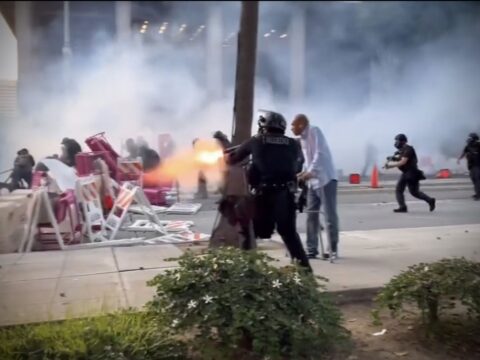
Violent crime remains a visible safety concern in major cities, but recent trends offer a glimmer of hope. According to CNN, major US cities saw a sharp decline in violent crime in 2025. Data show that homicides dropped by over 19%, while robberies fell by nearly 20%.
Other categories, including rape and aggravated assault, also saw significant declines compared to 2024. This downward trend follows a sharp spike during the COVID-19 pandemic and reflects a broader stabilization in urban safety.
While these statistics are encouraging, the root causes of violence, such as socioeconomic inequality and inadequate mental health services, still require long-term community investment. Effective safety depends on more than just policing. It demands early intervention and social support to ensure these improvements last and protect all neighborhoods equally.
Road Safety and the Persistent Danger of Accidents
Road accidents remain one of the deadliest risks in big cities, yet their frequency often makes them seem routine. Urban streets are a dangerous mix of heavy traffic, pedestrians, and cyclists navigating complex intersections. Despite efforts to improve safety, speeding and distracted driving continue to cause thousands of deaths every year.
Recent events in Cleveland highlight how quickly these dangers can turn fatal. The Cleveland Division of Police is currently seeking help identifying a driver involved in a fatal hit-and-run crash on Lorain Avenue. A man walking westbound was killed by a speeding dark sedan that fled the scene after losing control.
Navigating the aftermath of such tragedies is incredibly difficult, which is why many families seek the support of a Cleveland car accident attorney.
As noted by Piscitelli Law Firm, holding negligent parties accountable in these situations demands experience, precision, and dedication. While cities are pushing for safer street designs and stricter enforcement, traffic accidents continue to take a heavy human and economic toll on urban communities.
Mental Health Crises and Homelessness on Urban Streets
The overlap between untreated mental illness, substance use, and homelessness has become one of the most complex safety challenges in major cities. People experiencing mental health crises are often encountered in public spaces and transit systems, sometimes without access to proper care.
Relying only on policing has proven insufficient, prompting many cities to adopt co-responder models that pair officers with mental health professionals and crisis teams.
Research from the Johns Hopkins Bloomberg School of Public Health highlights the scale of the issue. A national survey found that 15.1% of adults aged 18–29 reported experiencing a mental health crisis, compared to 2.6% of those over 60. Rates were higher among Black (11.8%) and Hispanic (10.5%) adults than white adults (7.4%), and reached 37.9% among those facing housing instability.
Treating these issues as public health priorities is essential for safer, more compassionate cities.
Cybercrime and Digital Safety in the Connected City
As cities become smarter and more connected, safety risks are no longer limited to the physical world. Residents, businesses, and public systems now face growing cyber threats that can disrupt daily life.
Ransomware attacks on hospitals, breaches of utility systems, transit shutdowns, and large-scale identity theft all show how digital crime can have real-world consequences. Cities that rely on smart traffic systems, online payments, and connected emergency services are especially vulnerable if cybersecurity measures are weak.
The financial impact is significant. According to Statista, California recorded over $2 billion in reported cybercrime losses in 2024, the highest in the country. Texas followed with about $1.3 billion, and Florida reported over $1 billion.
These figures highlight why cybersecurity must be a core part of modern urban safety planning.
Ageing Infrastructure and Environmental Safety Hazards
Many large cities rely on infrastructure that is decades or centuries old, creating hidden safety risks. Decaying water systems, brittle bridges, and outdated power grids are struggling to support growing populations and the pressures of climate change. Lead contamination and structural failures in transit systems are real dangers that require urgent attention.
Environmental hazards like extreme heat and flooding further magnify these risks, often hitting lower-income neighborhoods the hardest due to a lack of green space and cooling centers.
Fixing these issues requires massive long-term investment and the political will to prioritize safety over short-term budgets. Addressing infrastructure resilience is no longer optional. It is a critical necessity for protecting urban residents from the predictable failures of an aging foundation.
Frequently Asked Questions (FAQs)
What are the leading causes of car accidents in big cities?
The leading causes of car accidents in big cities include distracted driving, speeding, driving under the influence, and failure to yield. Heavy traffic, complex intersections, and frequent pedestrian and cyclist movement also increase risks. Congestion and aggressive driving behaviors further contribute to collisions in densely populated urban areas.
What is Vision Zero, and how does it address urban road safety?
Vision Zero is a road safety strategy that aims to eliminate all traffic deaths and serious injuries. It focuses on safer street design, lower speed limits, better enforcement, and public awareness. By improving infrastructure and promoting responsible driving, Vision Zero seeks to make urban transportation systems safer for everyone.
Are big cities becoming safer or more dangerous overall?
Overall safety in big cities varies by issue. Many have seen declines in violent crime recently, but challenges like traffic accidents, cybercrime, and mental health crises persist. Progress is uneven across locations and safety areas, so some risks improve while others remain serious or worsen, depending on the city and context.
Urban safety is a multifaceted challenge that requires more than traditional policing. From the immediate physical dangers of violent crime to the invisible threats of mental health crises, cities must adapt to a rapidly changing landscape.
The cost of failure, whether measured in billions of dollars lost to cybercrime or the tragic loss of life on city streets, is too high to ignore. By investing in modern infrastructure, data-driven legal accountability, and compassionate public health strategies, cities can build a resilient future.