In a series of recent allegations introduced just days before America was to celebrate Cesar Chavez, the Latinoman long revered as the nation’s infallible saint of the labor movement and a charismatic leader who fasted for justice is now under intense scrutiny by the public, with many questioning whether his name should continue to grace our streets and institutions.
The Breaking of a Silicon Saint
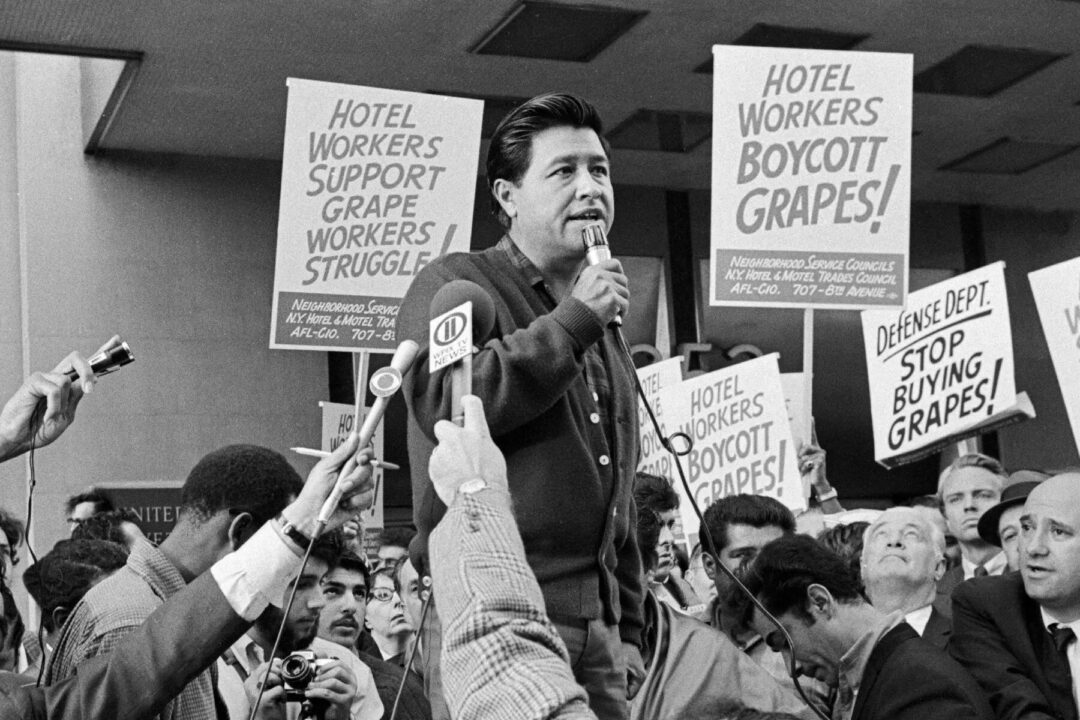
Cesar Chavez during a demonstration in New York in 1969. Photo – John Sotomayor/The New York Times
The shift in public sentiment has been accelerated by the New York Times, which include painful accounts from co-founder Dolores Huerta and daughters of union organizers, and have introduced a profound reckoning for Cesar Chavez. Huerta, who co-founded the movement and stood as its most prominent female voice for over half a century, broke sixty years of silence to describe a pattern of manipulation and forced sexual encounters in the 1960s—events she states resulted in pregnancies and secret adoptions to protect the union’s image. These accounts are echoed by women like Ana Murguia and Debra Rojas, who allege they were groomed and abused as children by Chavez while their families were working on the front lines of the movement.
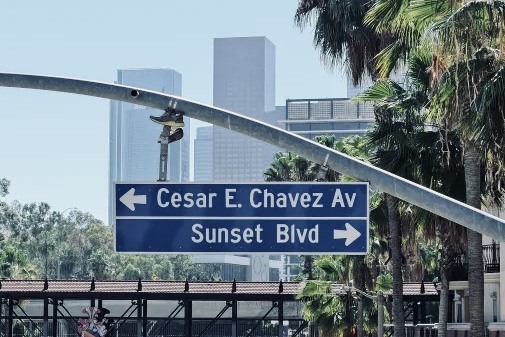
While these remain allegations, their gravity has forced a massive re-evaluation of how we memorialize our history, opening a necessary door to discuss the leaders who were previously left in the shadows.
Larry Into the Light
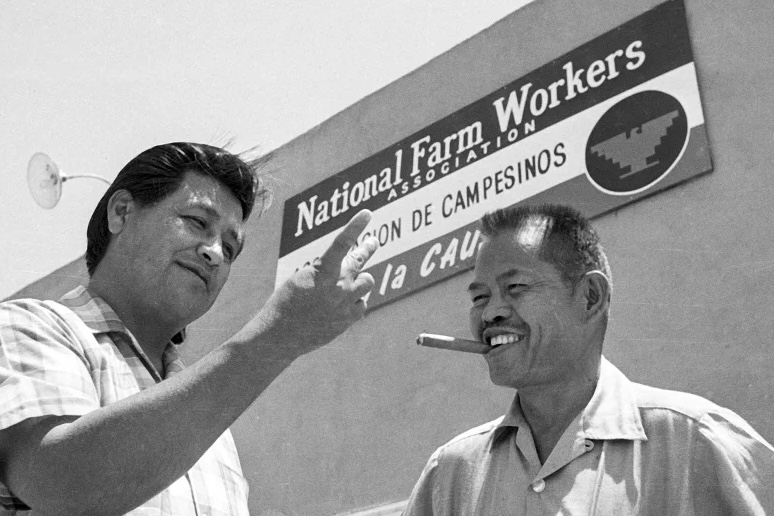
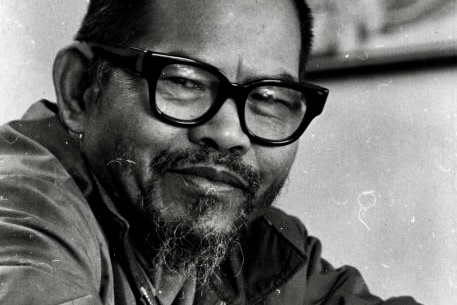
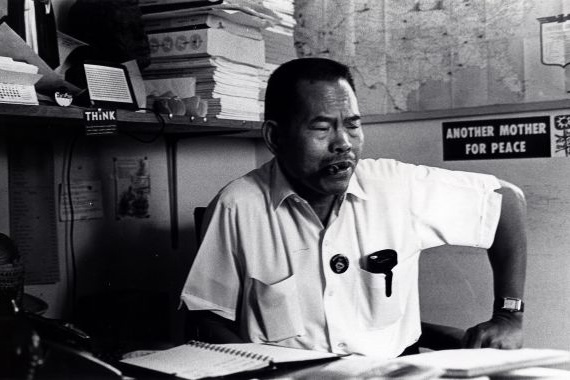
This sudden crack in the Chavez legacy has brought a long-overdue focus back to the true catalyst of the movement: Larry Itliong.
To understand why there is a growing push to rename major thoroughfares—such as changing Cesar Chavez Boulevard to Larry Itliong Boulevard—one must look at the actual sequence of the Delano Grape Strike.
The story of the Delano Grape Strike began on September 8, 1965, when Filipino farmworkers, led by Larry Itliong and the Agricultural Workers Organizing Committee (AWOC), walked off the job to demand a modest fifteen-cent wage increase.
Itliong, a veteran of the labor movement who had spent years organizing in the canneries and fields of the West Coast, knew that the growers would attempt to break the strike by bringing in Mexican workers to replace the Filipinos.
Recognizing that a divided labor force was a defeated one, Itliong approached Cesar Chavez and the National Farm Workers Association with a radical proposal: they must strike together.
When Chavez’s group voted to join the picket lines on September 16, it formed a historic, multi-ethnic coalition that proved to the growers—and the nation—that the struggle for dignity was a collective fight that transcended racial lines.
Yet, as the strike gained national traction and evolved into a cornerstone of the civil rights movement, the spotlight shifted almost exclusively toward Chavez. His non-violent philosophy and religious symbolism were highly inline with the Civil Rights Movement of the 1960s, while Itliong’s pragmatic, grit-and-teeth leadership was quietly sidelined in the media.
As the movement became a symbol of Chicano empowerment, Chavez was elevated to a status that eclipsed the very coalition that made the victory possible.
The Filipino “Manongs”—the elder laborers were largely erased from the popular celebration of the strike’s success.
Today, as communities across the country grapple with the disturbing nature of the recent allegations against Chavez, the argument for Larry Itliong Boulevard has taken on a new moral and historical urgency.
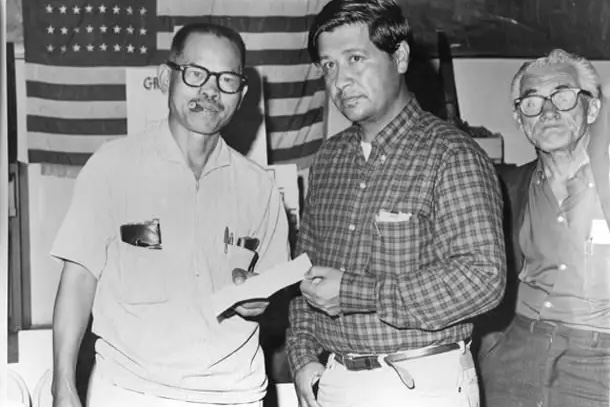
Choosing to elevate Larry Itliong’s name allows DTLA to preserve the triumphs of the farmworker struggle while distancing the movement from the personal conduct of a single leader. It honors the unity between the Filipino and Mexican communities that defined the Delano riots and ensures that the road to justice is named for someone who truly shared the burden of the journey from the very first day.