 Hanny Playa
|
Getting your Trinity Audio player ready...
|
There will be Star Wars, of course. Costumes, props, production art and other artifacts from films that made Lucas a household name. But walk through the collection filling the Lucas Museum of Narrative Art and a different picture emerges.
There’s Frida Kahlo. Norman Rockwell. Diego Rivera. Gordon Parks. Dorothea Lange. Jack Kirby. N.C. Wyeth. That contrast is the best way to understand what makes the museum unusual.
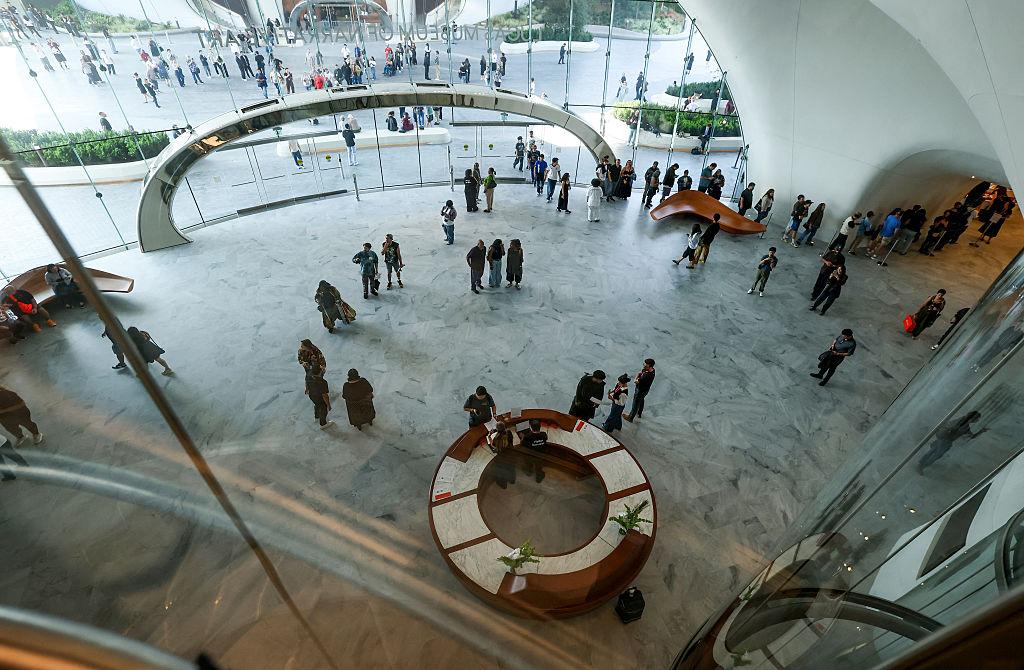
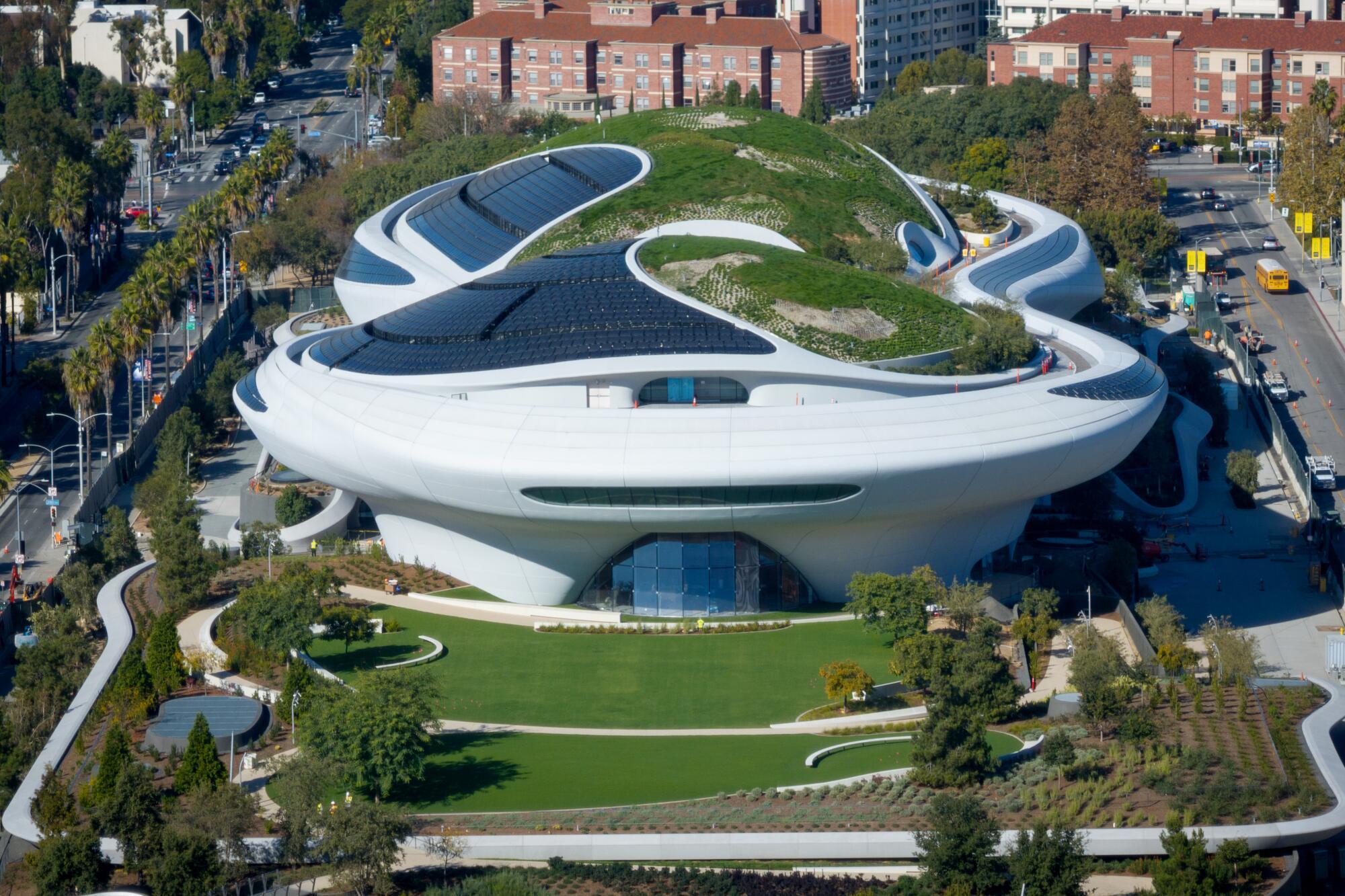
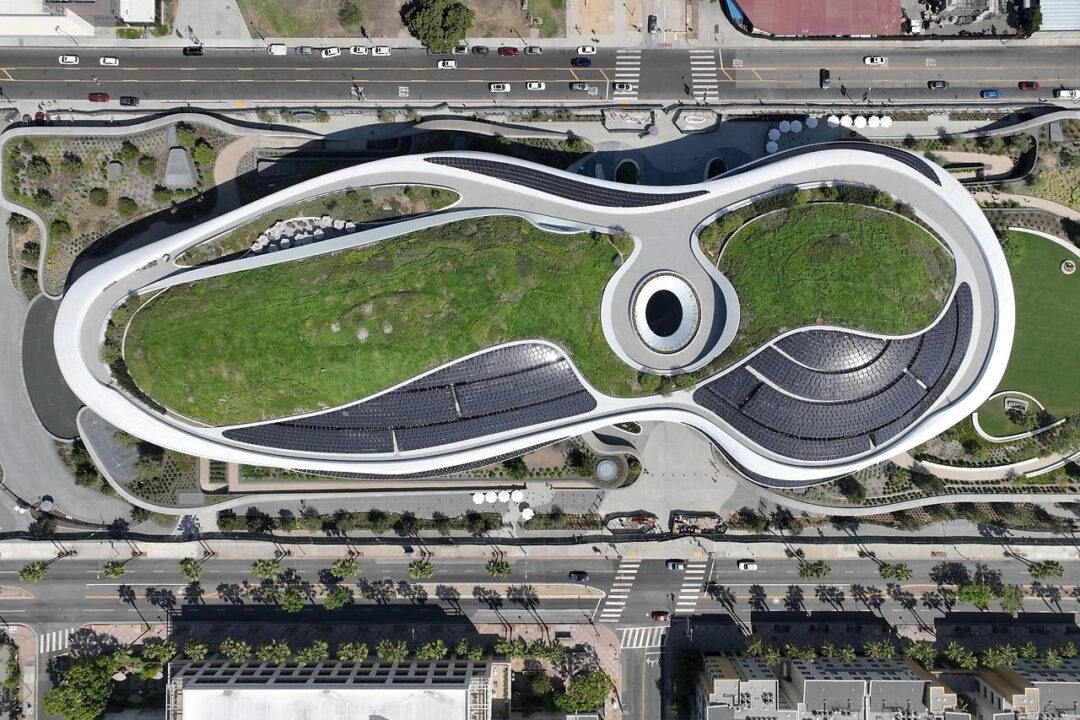
The Lucas Museum opened to the public on September 22, 2026, after an all star gala the night before. Landing in Exposition Park, South Los Angeles, the museum was designed by architect Ma Yansong of MAD joined by new green space from landscape architect Mia Lehrer and her team at Studio-MLA. One Lucas Plaza places it among Los Angeles’ major cultural institutions, including the California Science Center and Natural History Museum of Los Angeles County.
Inside are 35 galleries covering about 100,000 square feet. The permanent collection contains more than 40,000 works, accumulated over five decades. The galleries aren’t organized solely around centuries, movements or individual artists. Instead, many are built around subjects people instinctively understand: family, love, work, play, childhood, community and adventure.
Narrative art is the common thread. The collection treats an illustration, a photograph, a comic, a mural or a piece of cinematic design as different ways of constructing and communicating a story.
Consider the range. The museum’s inaugural exhibitions include large-scale murals by Diego Rivera, Judith F. Baca and JR; documentary photography by Robert Capa, Gordon Parks, Alfred Eisenstaedt and Dorothea Lange; and extensive holdings of comic art. There are also dedicated exhibitions devoted to Norman Rockwell, N.C. Wyeth and Maxfield Parrish.
The comic collection is particularly revealing. Artists represented include Winsor McCay, George Herriman and Jack Kirby, alongside contemporary artists such as Alison Bechdel and Jim Lee. The museum also holds children’s book illustration, science-fiction art and other popular visual culture.
Then comes the part visitors will probably expect most.
The Lucas Archives contain film props, costumes, artwork and other artifacts from Lucasfilm productions spanning more than four decades. The collection includes material from the first six Star Wars films and the first four Indiana Jones adventures, as well as Willow, Red Tails, Howard the Duck and Radioland Murders.
The museum’s inaugural cinema exhibition, Star Wars in Motion, brings some of that history into the galleries. It includes vehicle designs, props, costumes and illustrations from the first six films, with objects ranging from Luke Skywalker’s Landspeeder to the first physical build of General Grievous’ Wheel Bike.
But the cinema program doesn’t stop with Lucas.
Two theaters will screen films throughout the day, covering everything from early silent cinema and animation to experimental film, documentaries and contemporary work. The program includes films connected to artists in the collection, as well as early films by Georges Méliès and Winsor McCay, animation, experimental cinema, anime and student films made by Lucas between 1965 and 1969.
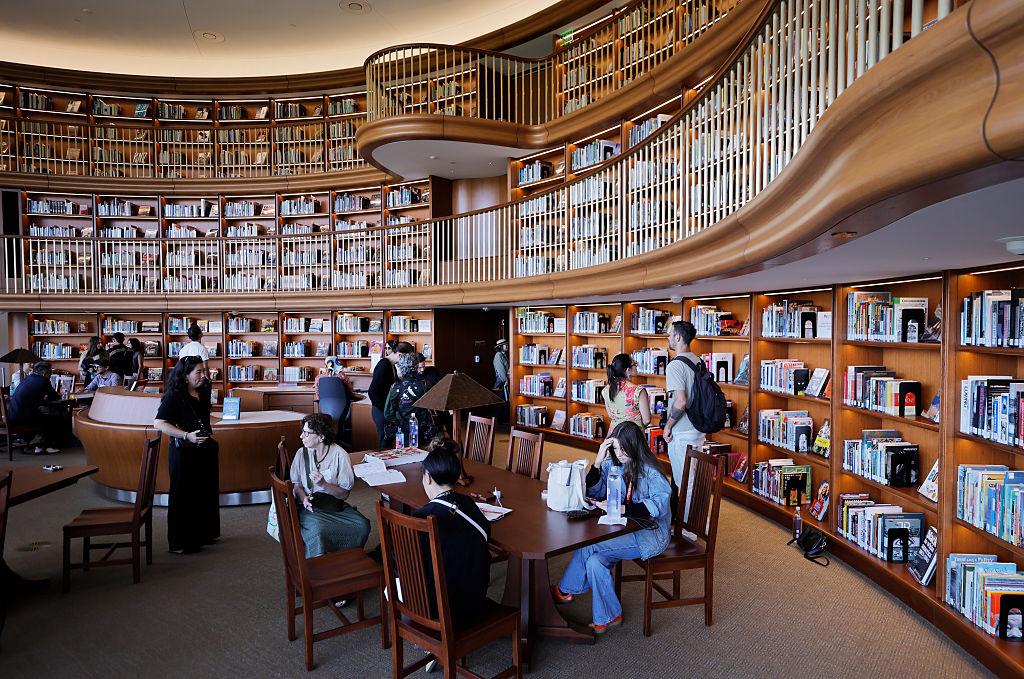
That makes the museum’s premise easier to see. It isn’t really asking visitors to decide whether a comic belongs beside a painting or whether movie concept art deserves the same attention as traditional illustration.
It’s putting them beside each other and letting the collection make the case.
Lucas himself began collecting narrative art in college. The museum says his first purchase was an original Alley Oop illustration, bought when original comic art was something he could afford. More than 50 years later, that interest has become a collection of more than 40,000 works.
And now the museum is becoming more than galleries.
On September 22, the same day the museum opened, Skywalker Grill will open at the top of the building. Designed by Rockwell Group, the restaurant will serve classic American cuisine using California-grown ingredients and offer views over Los Angeles. It will be open to museum visitors and the general public, with lunch, dinner and weekend brunch.
The restaurant is a fitting final detail because the Lucas Museum is ultimately trying to make a broad idea feel tangible: stories aren’t confined to paintings hanging on white walls. They live in photographs, comics, murals, illustrations, movies and the images people carry with them.
That makes the museum’s most interesting question less about what George Lucas collected than about what we choose to call art.


 Jamie Herrera
 Jackson Roberts

